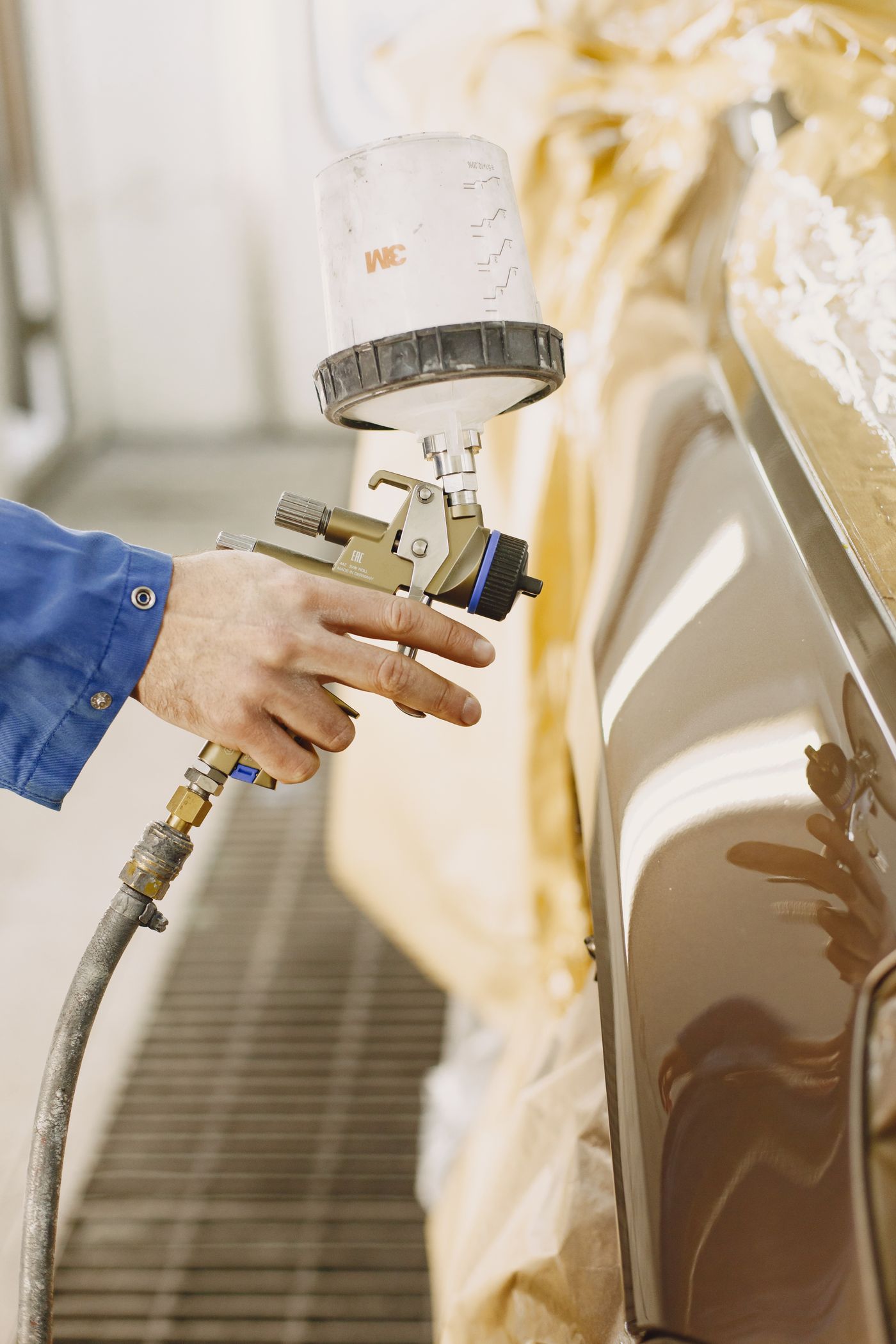
Record number, position and any visible corrosion. List the affected panels and whether chips expose underlying material or show rust. The suitable approach depends on size, finish and corrosion; do not expect an isolated touch-up to be indistinguishable at every viewing angle.
Provide colour information and any prior refinishing details if known. Locate the manufacturer colour information if available, but note any previous repairs. Paint age, finish and lighting influence appearance; request confirmation of the colour-matching process and any blending needs. Include the vehicle model, job location, desired outcome and any previous work that might affect the assessment. For safety-related concerns, arrange suitable qualified advice rather than relying on a cosmetic quote.
Confirm the appropriate work
A written enquiry allows an initial assessment of suitability. The actual scope, responsible provider, price and availability must be confirmed before arranging work.
Describe apparently superficial marks and surrounding paint condition. Depth needs appropriate assessment. Record the location and length of the mark and whether it changes when viewed in different light. A photo helps triage the enquiry but does not reliably establish the depth; an appropriate inspection decides whether refinement is suitable.
Exposed primer or metal may need a paint repair instead of polishing. Describe any exposed primer, bare metal or damage along the panel edge. Preventing further deterioration may be more important than cosmetic blending; ask for a clear repair scope and realistic expectations.
Identify bumper material, damage size and whether cracking or deformation is visible. State whether the bumper is painted or textured plastic and whether clips, cracks or deformation are visible. Scuff repair may be cosmetic, but a damaged bumper or sensor area may require a different assessment.